Deeside Monitor Farm
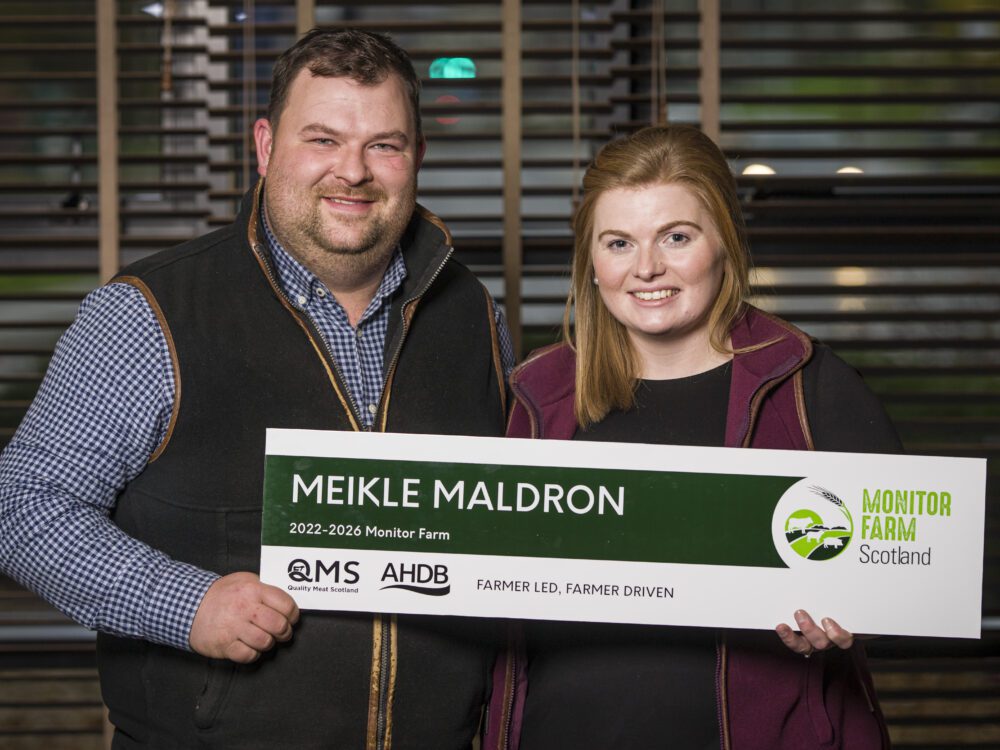
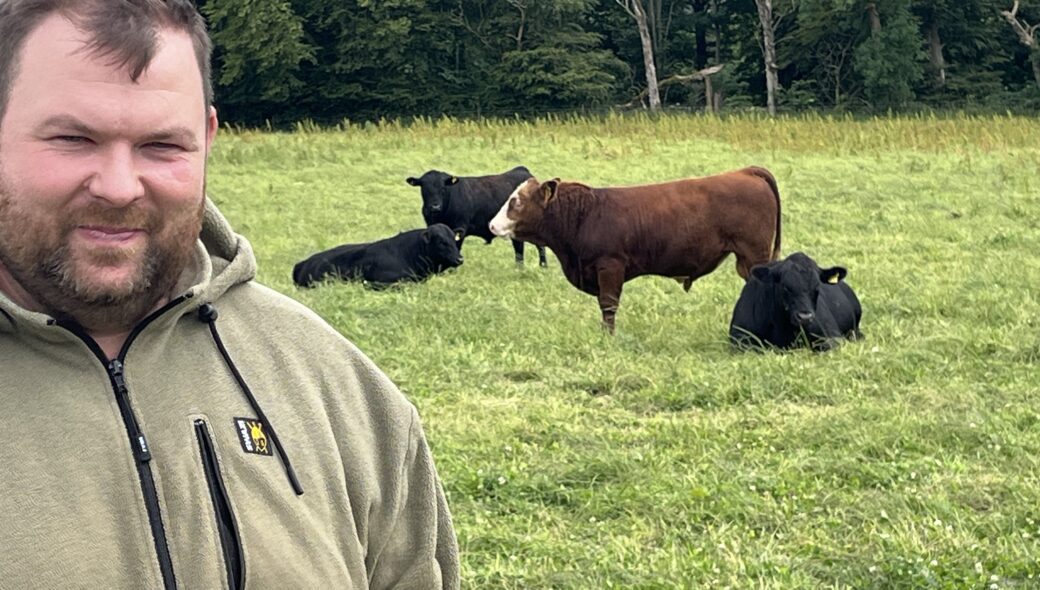
Meikle Maldron, in the north east of Scotland, is run by Duncan and Claire Morrison who moved to the farm in 2016.
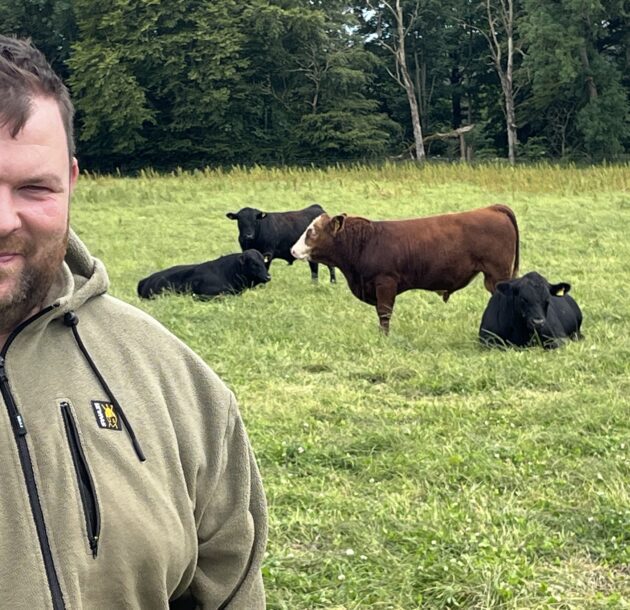
In total, Duncan and Claire farm 248ha across three farms as a wholly suckler enterprise with 250 suckler cows and heifers going to the bull in 2024, comprising commercial Aberdeen Angus and Pedigree Aberdeen Angus and Stabilisers. They own 200 cattle and lease a herd of 50 stabiliser cows.
Most stabiliser bull calves are finished, some breeding heifers are sold at 12-14 months and the rest are sold as stores.
Duncan and Claire bull around 50 heifers each year. The Morrison’s grow 15ha of arable silage and 8ha of kale.
“We keep growing, but we would like to get better and to be more profitable.”
- Duncan and Claire, Monitor Farmers
The farm’s Management Group are ‘enthusiastic and really good’, he says, with many of them at a similar stage to Duncan and focused on developing their business acumen.
“We have been doing much more in terms of management accounts, budgeting and cash flow and we had a recent Monitor Farm meeting with a local accountant to discuss using Xero software. One of our upcoming meetings will be with a bank manager, as we want to know what they are looking for so we can present things in the way they want to see them.
“I have looked at doing all of these things before, but trying to do it on your own is quite hard work, especially finding the right source for the information.” He adds that with everyone learning together, the group is good at asking a wide variety of questions which is very helpful.
“The first year of the Monitor Farm programme was exciting, but a lot of time was spent with the management group getting to know us. I think it takes a year to get into the thick of it, then you make and see changes but with breeding that takes a few cycles – at least with a four-year programme we now have the time to see how things pan out.”

- The business
As a young business, the Morrisons aim to grow while improving profitability, which inspired Duncan and Claire to become Monitor Farmers.
A business assessment in the form of an Integrated Land Management Plan (ILMP) was carried out at the beginning. Seeing what could be improved – and what was going well – written down was useful, but it also highlighted vulnerability in the business’s structure, says Duncan. He was running the business as a sole trader, but has brought Claire, into the business more formally, as well as looking at other documentation such as power of attorney and wills.
The farm’s Management Group, comprising farmers at similar stages, has helped Duncan and Claire focus on budgeting, cash flow, and management accounts. Meetings with accountants and bankers have provided insights into financial planning and communication. Using tools like Xero software has made financial management more efficient.
- Livestock
The ILMP looked at gross margins for the cattle enterprise, and while it showed Duncan was doing very well, he believed there was the opportunity to improve further. A fan of rotational grazing, he had come across Farmax forage management software and has been using it as part of the Monitor Farm programme to plan and manage grazing.
“It has helped me understand our own business and where the pinch points are for feed supply. For instance, I know if we will be short of grass in spring and we can try to smooth out those bumps – it is about getting the most out of the farm.”
The ability to use different scenarios and look at the impact has led to change. The start of calving has been pushed back a week, while setting up winter or deferred grazing has helped with managing spring and summer grass availability, and he may also take extra silage. “It’s about not missing opportunities.”
Identifying that he had extra grass over summer and had previously spent thousands on feed to finish bulls inside, he decided to experiment with finishing them at grass with some feed given in the field.
This worked well: Average daily liveweight gain at grass exceeded 2kg/day for most of the bulls, and while final figures are to be confirmed, variable costs look set to fall from £712/head to £387/head. This gives a speculative gross margin of £466/head from finishing bulls at grass compared with the previous year’s margin of £214/head finishing intensively inside; a £252/head additional return at grass.
Outwintering on grass and forage crops is key to minimising costs for the farm’s cows, and with increasing interest in this, four of the Monitor Farm’s management group are involved in a forage crop trial. “We are looking at comparing different crops in different conditions and farms. The aim is to draw out the details, so we are looking at more than just yield; how easy are the different crops to grow and manage, what’s the cost of growing them and how do they compare? It will be a good case study.”
To reduce costs, the farm relies on outwintering cows on grass and forage crops. A trial involving the management group compares different crops for yield, ease of management, and cost, aiming to provide practical insights.
- Forage
Outwintering on grass and forage crops is key to minimising costs for the farm’s cows, and with increasing interest in this, four of the Monitor Farm’s management group are involved in a forage crop trial.
“We have been comparing different crops in different conditions and farms. The aim is to draw out the details, so we are looking at more than just yield; how easy are the different crops to grow and manage, what’s the cost of growing them and how do they compare? It will be a good case study.”

- Key Highlights
-Positive trial results finishing beef bulls at grass
-Farmax grazing software allows optimum grass use
-Management group forage crop project underway
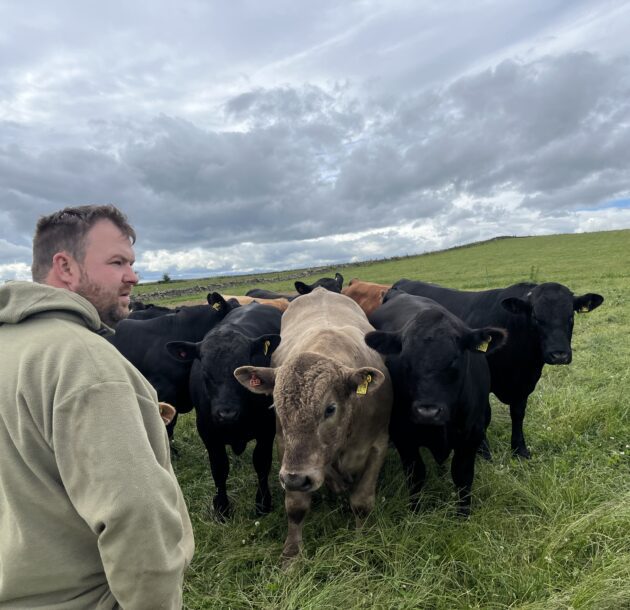
- Final Year of Programme Plans
Duncan and Claire expanded their farm business this year, obtaining a tenancy on a neighbouring 160-acre farm. Happy with their technical performance and the system they have in place, this year has seen the Monitor Farm and management group concentrate on learning more about business aspects.
This has included sessions on using accounting package Xero on farm, hearing from a banker about what they look for in a business seeking a loan, and financial planning for the future. “They’ve been really interactive sessions with the whole management group, and for next year, I’m asking that group what they would like to do.”
Duncan says one of the things he enjoys most with Monitor Farms is being able to visit other businesses and to discuss what they are doing. “You can hear about what people are doing, but never really grasp it until you see it with your own eyes – it gets you thinking.”
Meeting Reports
-
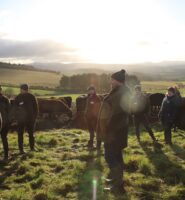 December 2022 Meeting Report
Low Costs are Key to the Future of Farming & First Impressions
download -
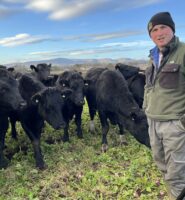 Forage Crops - The Choice of Crop
Options for outwintering systems include forage crops, catch crops, deferred grazing, grazing arable stubbles and bale grazing. Each system can reduce the costs associated with winter housing, increase welfare of livestock, reduce feed costs and return nutrients to the ground from the grazing animals. Choosing an outwintering system for your farm requires an understanding of your farm assets, how the crop system fits with your farming practices and how it would be grazed.
download -
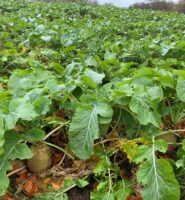 Forage Crops - Establishment Success
Early establishment success of a forage crop gives an early indication of the crop’s resilience over the growing season.
download -
 Forage Crops - Weather Resilience
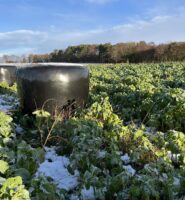
A resilient out wintering system allows a business to be prepared to adapt if the weather changes e.g. extremely wet, long period of snow, etc. The planning and set-up of a wintering field can aid the resilience of an outwintering system.
download -
 Forage Crops - Utilisation and Nutrition
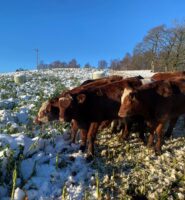
Outwintering systems host numerous benefits including reduced winter-feeding costs, housing requirements, bedding costs and fuel and machinery while increasing the productivity of the land, soil fertility and animal health.
download -
 Fodder Crops - A Deeside Case Study
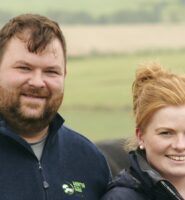
Duncan and Claire Morrison have over wintered their herd of 250 suckler cows at Meikle Maldron for several years. Facilities for housing cattle are extremely limited on their farm and they focus on producing good quality forage. They managed kale and bale grazing through the 2024/25 winter.
download
Presentation
-
 Driving Your Business - Accounts
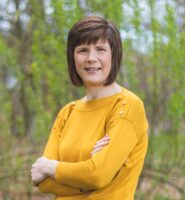
DRIVING YOUR BUSINESS, STEERING YOUR DECISIONS The Deeside Monitor Farm Management Group wants to look more into the foundations of a successful, expanding Scottish livestock business. They’ve identified 4 main areas to investigate more: •Accounts •Banking and Financial Advice •Legal •Succession ACCOUNTING The first of the series of discussions was led by Elaine McKilligan, Chartered Accountant and business owner of McKilligan Financial Ltd. Read the attached report.
download -
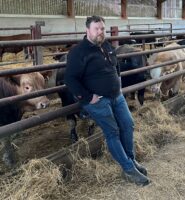 Bull Beef Enterprise Report
Bull Beef Finished vs Stirks Sold Store. A report and comparison for the Deeside Monitor Farmer.
download -
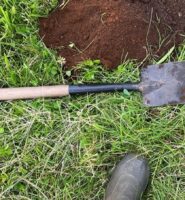 Soil Special Report
Meikle Maldron Soil analysis Soil type, texture and structure Measuring and monitoring soil health
download -

-
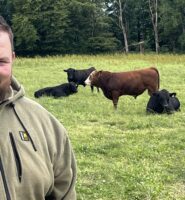 July 24 Open Meeting Report
Forage and Finishing at the Deeside Monitor Farm With help from a variety of speakers and SAC figures for his enterprise, Duncan Morrison, the Deeside Monitor Farmer answered his question, ‘Is finishing bulls at grass better or worse financially than finishing intensively?’
download -
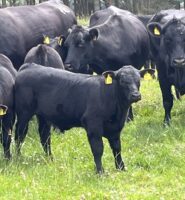 July 25 Open Meeting Report
Critical Mass, Breeding Replacements, Herd Health and ‘The Ultimate Cow’ were up for discussion at July’s Deeside Monitor Farm Open Meet in July 2025. Duncan and Claire Morrison were joined at Meikle Maldron by consultant Gavin Hill, SAC, vet Tim Geraghty and farmer Neil MacGowan, Incheoch Farm. This report summarises the key points in growing a successful suckler herd.
download -
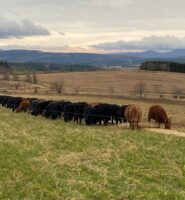 Forage for Thought: A presentation by Kirsten Williams, SAC Consulting
Kirsten Williams, SAC Consulting, presented the findings of her 2024/25 forage crop work across four Aberdeenshire farms, at the recent Deeside Monitor Farm Open Meet, ‘Forage for Thought’. Kirsten studied ten systems on the farm, covering brassicas, deferred grazing and forage beet. The presentation, found here, introduces the farmers, explains the main features of the project and discusses crop choices, covering costs and convenience. Kirsten has created four papers covering Choice of Crop, Establishment, Weather Resilience and Utilisation & Nutrition. There is also a Case Study, featuring Duncan Morrison, the Deeside Monitor Farmer.
download


- Argyllshire Monitor Farm - Demonstration and Discussion on the Use of Agricultural Drones
- Argyllshire Monitor Farm - Winter Fodder Crop Varieties with Craig Archibald
- Healthy Lambing at the Banff and Buchan Monitor Farm